Sustainable Farming Practices
At Fresh Approach Ltd, sustainability is not merely a buzzword or a marketing strategy — it is a core principle that guides every decision we make, from the seeds we plant to the packaging we use. We believe that the future of agriculture depends on our ability to produce food in a way that is environmentally responsible, socially equitable, and economically viable. In this article, we share some of the key sustainability initiatives we have implemented across our farming operations.
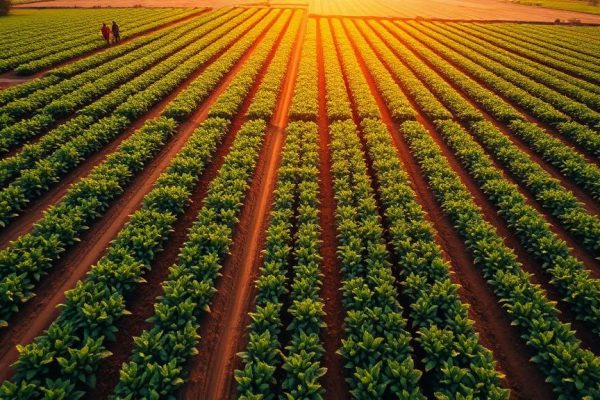
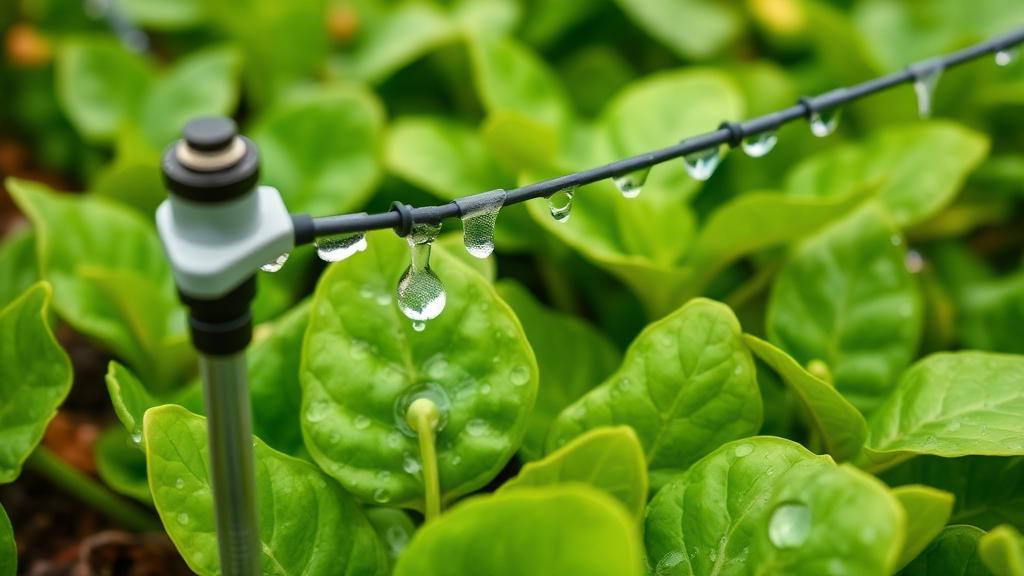
Water is one of the most precious resources in agriculture, and in Kenya’s semi-arid regions where many of our farms are located, efficient water management is critical. We have invested heavily in drip irrigation technology, which delivers water directly to the root zone of plants, reducing water waste by up to 60 percent compared to traditional flood irrigation methods. Our agronomists work closely with farmers to develop irrigation schedules based on crop requirements and weather patterns, ensuring that every drop of water is used effectively.
Soil health is the foundation of sustainable agriculture. Our farming practices include crop rotation, the use of organic compost and mulching, and minimal tillage techniques that preserve soil structure and biodiversity. We regularly test soil samples to monitor nutrient levels and adjust our fertilization programs accordingly. By maintaining healthy soils, we reduce the need for synthetic inputs and create a more resilient farming system that can withstand the challenges of climate change.
Integrated Pest Management (IPM) is another cornerstone of our sustainability approach. Rather than relying solely on chemical pesticides, we use a combination of biological controls, cultural practices, and targeted interventions to manage pests and diseases. Our team of technical assistants works with farmers to identify pest threats early, introduce beneficial insects that prey on harmful pests, and use pest-resistant crop varieties where possible. This approach not only reduces chemical use but also protects the natural ecosystem around our farms.
Our commitment to sustainability extends beyond environmental practices to encompass the social well-being of our farming communities. We work with over 200 smallholder farmers, many of whom are the primary breadwinners for their families. Through our farmer training programs, we provide education on best agricultural practices, financial literacy, and health and safety. We also facilitate access to micro-finance services, enabling farmers to invest in their operations and improve their livelihoods.
Energy efficiency is an area where we continue to innovate. Our pack house facility has been designed to minimize energy consumption through natural ventilation, energy-efficient lighting, and optimized cold storage systems. We are currently exploring the feasibility of installing solar panels to further reduce our carbon footprint and reliance on grid electricity.
Waste reduction is a priority throughout our supply chain. Produce that does not meet export standards is sold in local markets or processed into value-added products, ensuring minimal food waste. Packaging materials are chosen for their recyclability, and we are actively researching biodegradable alternatives to plastic packaging.
The results of our sustainability efforts are encouraging. Over the past five years, we have seen a 30 percent reduction in water usage per kilogram of produce, a 25 percent decrease in pesticide application, and a measurable improvement in farmer incomes. These achievements motivate us to continue pushing the boundaries of sustainable agriculture and to share our knowledge with the wider industry.
We believe that sustainable farming is not just good for the environment — it is good for business. Consumers are increasingly choosing products that align with their values, and retailers are demanding higher standards from their suppliers. By investing in sustainability today, we are building a stronger, more resilient business for tomorrow.